


Crackleback Gold
20 Acre
Gold Claim on Park Creek
$4,250
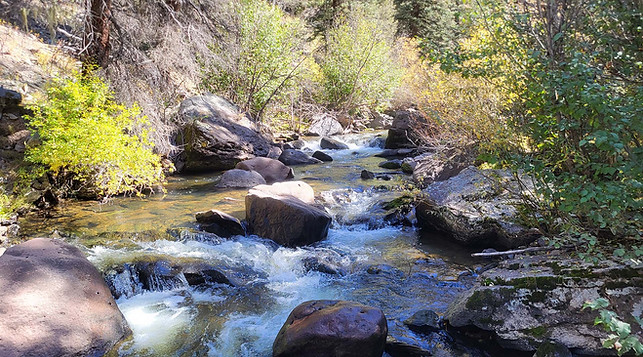
Prospecting for Gold on Park Creek
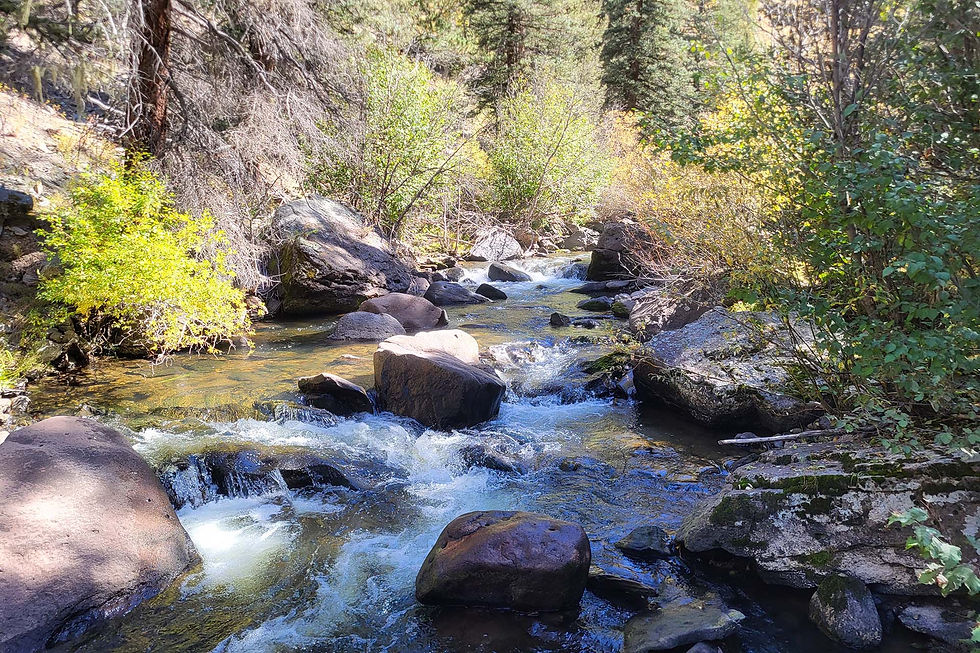
Nestled within the rugged terrain of Mineral County, Colorado, Park Creek offers a serene yet historically rich setting for gold prospectors. This tributary of the Rio Grande River meanders through the San Juan Mountains, a region renowned for its mineral wealth and vibrant mining history.


A Glimpse into the Past
The San Juan Mountains, encompassing Mineral County, were at the heart of Colorado's mining boom in the late 19th century. While Park Creek itself may not have been the epicenter of large-scale mining operations, its proximity to prolific mining districts like Creede suggests that prospectors likely explored its waters for placer gold deposits. The area's geological makeup, characterized by volcanic activity and mineral-rich veins, made it a prime location for gold seekers during the Colorado Gold Rush.
Geological Setting & Provenance
-
Park Creek flows through the eastern San Juan volcanic field, an area underlain by Oligocene-to-Miocene volcanic rocks—part of the same magma-tectonic system that hosts the Summitville caldera and mine.
-
Placer gold in the region was initially derived from weathering and erosion of these volcanic and epithermal vein-hosting rocks—particularly quartz-latitic veins mineralized with gold ± silver ± lead/zinc.
Placer Deposit Characteristics
-
Like most Colorado placer deposits, Park Creek's gold occurs in alluvial and paleo-terrace gravel deposits. These formed both during the Quaternary and during earlier Pleistocene incision events.
-
The process is classic gravity sorting: dense gold particles (often mixed with magnetite black sand) settle out in stream-bed traps, natural riffles, and inside bends—and may persist in abandoned benches.
Geologic Summary Table
Feature | Description |
|---|---|
Depoist Types | Active stream (alluvium) + related terraces |
Transport medium | Streams such as Park Creek—active alluvial erosion |
Host Geology | Tertiary volcanic rocks (calderas, flows) rich in quartz-latite veins |
Gold Source | Eroded vein-hosted gold in volcanic terrain |
Implications for Prospectors
-
Target zones are inside bends, natural riffles, or gravel bars along Park Creek—particularly where stream energy slows.
-
Terrace remnants above current creek levels preserve older placer gold.
Park Creek’s placer gold deposits fit the classic Colorado pattern: derived from epithermal veins in volcanic terrain, concentrated naturally by water, and historically exploited on a modest scale. Today, both active creek gravels and paleo-terrace benches hold the best potential.
Quick Facts
BLM Serial Number
CO106709099
Elevation
8,773 feet
Acres
20
Claim Type
Unpatented Placer Claim
County
Mineral County
Legal Land Description
E1/2SW1/4NW1/4, Sec 1, T38N, R2E
Commodities
Gold
Access
Park Creek Road
GPS
NE: 37.569849,-106.724946
NW: 37.569803,-106.72725
SW: 37.566189,-106.727229
SE: 37.566241,-106.724917


Adventure and Recreation on Park Creek
Park Creek offers a haven for outdoor enthusiasts seeking a blend of tranquility and adventure. This region, characterized by its pristine wilderness and diverse recreational opportunities, is a gateway to the natural splendors of the Rio Grande National Forest. The area boasts a diverse array of recreational opportunities, from serene fishing spots to exhilarating trails.
Fishing: Angler's Paradise
Anglers will find Park Creek and its surroundings to be a fishing paradise. The creek itself is known for its abundance of eager trout, making it an enjoyable spot for both novice and experienced fishermen. Nearby, the Rio Grande River offers over 30 miles of "Gold Medal" waters, renowned for their high-quality trout fishing.
Hiking and Backpacking
The Rio Grande National Forest encompasses nearly 2 million acres, offering a plethora of hiking and backpacking trails. The proximity to the Continental Divide and the Weminuche Wilderness provides access to some of Colorado's most pristine and remote hiking experiences.
Mountain Biking and ATV Trails
For those seeking adventure on wheels, the area boasts numerous mountain biking and ATV trails. The Stone Quarry Trail System, located between Monte Vista and Del Norte, offers 7.4 miles of purpose-built trails through rugged terrain and large boulder formations. Additionally, Pass Creek Road #390 provides a 13-mile multi-use trail.
Winter Recreation
When snow blankets the landscape, Park Creek transforms into a winter wonderland. Park Creek Road offers routes for cross-country skiing and snowshoeing. The nearby Wolf Creek Ski Area provides downhill skiing and snowboarding across 1,600 acres of terrain.
Scenic Drives and Wildlife Viewing
The Silver Thread Scenic Byway, a 75-mile route that passes through South Fork, Creede, and Lake City, offers breathtaking views of the Continental Divide, historic sites, and abundant wildlife. Travelers can enjoy the vibrant fall colors, spot elk and deer, and explore the rich history of the region.
Click "Buy Now" to pay by credit card, PayPal, Apple Pay, Klarma, or Affirm.
Contact Us to arrange payment by Zelle, ACH, check, or Cryptocurrency.